CoreAIKit
Cookbook — “I want to …”
Reverse lookup: find your task, copy the snippet. Everything runs fully on device (macOS 27 / iOS 27) and downloads its model from the Hugging Face Hub on first use.
One product, one import: import CoreAIOps re-exports the model layer, so every
snippet on this page compiles with that single import. Most entries are task ops:
one line, the kit resolves and caches a catalog model behind the call, and
options: .model("catalog-id") swaps it. Entries that need state — a conversation, a
camera loop, a persistent index — use the model-level APIs; starting with an op and
dropping down later is a refactor, not a rewrite.
The “In → out” one-liners below are also API: every op carries the same summary as
CoreAI.Op.summary (with defaultModelID), so a picker or gallery UI renders straight
from Op.allCases.
| I want to… | Call | In → out |
|---|---|---|
| summarize text | CoreAI.summarize(text) |
Text → short summary |
| pull typed values out of text | CoreAI.extract(text, as: T.self) |
Text → typed value (@Generable) |
| translate | CoreAI.translate(text, to: .english) |
Text → translation in a named language |
| fix grammar and typos | CoreAI.proofread(text) |
Text → corrected text |
| clean up a dictation transcript | CoreAI.tidyTranscript(raw) |
Raw ASR transcript → written text |
| redact PII | CoreAI.redact(text) |
Text → text with PII replaced by labels |
| find names/emails/anything in text | CoreAI.extractEntities(from:labels:) |
Text → entities by zero-shot label |
| chat with a local LLM, streaming | ChatSession |
Prompt ⇄ streamed conversation |
| let the model call my functions | KitLanguageModel + FM tools |
Prompt → answer via your tools |
| get schema-valid JSON, guaranteed | guided generation | Prompt → schema-valid JSON |
| describe a photo | CoreAI.caption(photo) |
Image → description |
| ask questions about an image | KitVisionModel session |
Image + questions ⇄ conversation |
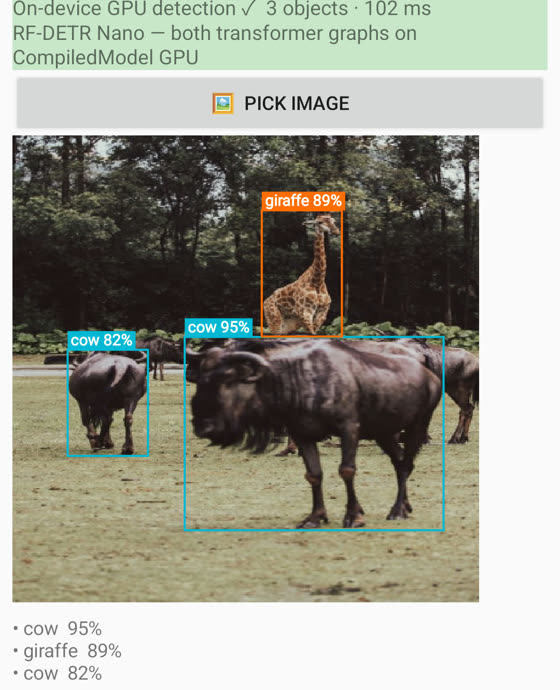
| find objects in an image | CoreAI.detect(in: photo) |
Image → labeled bounding boxes |
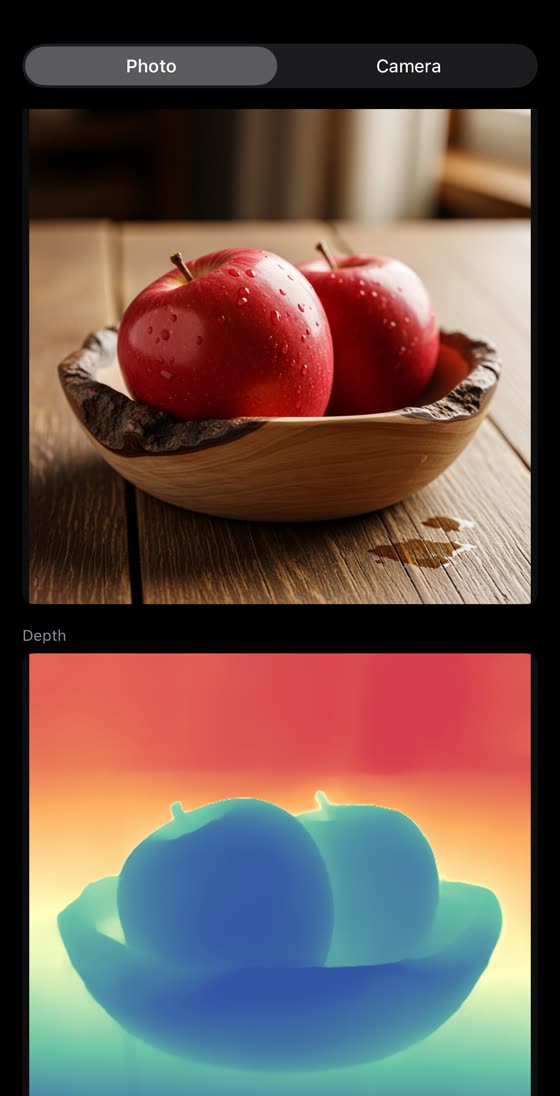
| get a depth map | CoreAI.estimateDepth(in: photo) |
Image → relative depth map |
| upscale a photo ×4 | CoreAI.upscale(photo) |
Image → ×4 upscaled image |
| turn a scan into Markdown | CoreAI.read(documentAt: url) |
Document image → markdown text |
| search my photos by meaning | CLIP ImageTextEncoder |
Image / text → shared vector |
| search document pages without OCR | VisualDocumentRetriever |
Query + page images → ranking |
| rank strings by meaning | CoreAI.search(query, in: docs) |
Query + strings → ranked matches |
| build on-device RAG | TextEmbedder + retrieval tool |
Notes → grounded answers |
| transcribe speech | CoreAI.transcribe(url) |
Audio file → plain-text transcript |
| know who said what | CoreAI.transcribeMeeting(url) |
Audio file → speaker-attributed transcript |
| describe sounds, not just words | CoreAI.describeAudio(url) |
Audio file → description of the sounds |
| speak text aloud | CoreAI.speak(text) |
Text → synthesized speech (PCM) |
| generate music from a prompt | CoreAI.compose(prompt) |
Prompt → generated music (PCM) |
| split vocals from a song | CoreAI.separate(songURL) |
Song → vocal and instrumental stems |
| recognize an action in a video | CoreAI.recognizeAction(videoAt:) |
Video clip → ranked action labels |
| run a model on live camera frames | CameraFeed |
Camera → frame stream |
| forecast a time series | CoreAI.forecast(series) |
Number series → 128-step forecast |
| ask my local model from Siri | Examples/SiriAsk |
Siri phrase → local model answer |
| put my model behind Visual Intelligence | Examples/VisualIntel / AskVLM |
System search → your model |
run any .aimodel I exported |
GraphModel |
Tensors in → tensors out |
| preload models / show download progress | CoreAI.prepare / .onDownload |
Models → downloaded ahead of use |
First run: downloads
Every op downloads its model on first use (cached afterwards). One process-wide hook
observes all of them, and prepare front-loads the download + engine load behind your
loading UI so the first real call starts instantly:
CoreAI.onDownload { print("\($0.currentFile): \(Int($0.fraction * 100))%") }
try await CoreAI.prepare(.transcribe, .caption)     // any of the ops
Work with text
import CoreAIOps

let tldr = try await CoreAI.summarize(article, style: .bullets)   // .concise / .oneLine
let en   = try await CoreAI.translate(review, to: .english)       // any Language("…")
let neat = try await CoreAI.proofread(draft)
let said = try await CoreAI.tidyTranscript(rawDictation)          // fillers out, numbers written
let safe = try await CoreAI.redact(supportEmail)                  // "[PERSON]", "[EMAIL]", …
let ids  = try await CoreAI.extractEntities(from: email, labels: ["person", "order number"])
Typed extraction uses the same @Generable types as Apple’s FoundationModels API:
@Generable struct Order {
    @Guide(description: "Name of the ordered product") var product: String
    @Guide(description: "Number of units ordered") var quantity: Int
}
let order = try await CoreAI.extract(email, as: Order.self)
The free-text ops default to qwen3-4B — the floor at which translate holds up. When
speed matters more than fidelity: options: .model("qwen3-0.6b"). redact /
extractEntities are zero-shot (GLiNER2): pass any labels, not just the PII defaults.
tidyTranscript is not proofread with a different prompt — it is S1-mini by
Superwhisper, a 0.6B model trained for exactly one job, and it deletes what a
proofreader is contracted to keep:
try await CoreAI.tidyTranscript(
    "so um i need to like send the the report by uh friday no wait make that thursday")
// "I need to send the report by Thursday."
Steer it with the model’s own three axes — styling: (.casual / .semiCasual /
.semiFormal / .formal), structure: (.prose / .lists), context: (.general /
.email) — there is no free-text instruction. English only. Filler-only input returns
the empty string, which is the model working, so do not retry it. Long input is cut
at word boundaries into ~450-token chunks and the rewrites are stitched: on iPhone the
engine caps prompt + generated at 1024 tokens, and a whole meeting transcript passed in
one call would stop mid-sentence.
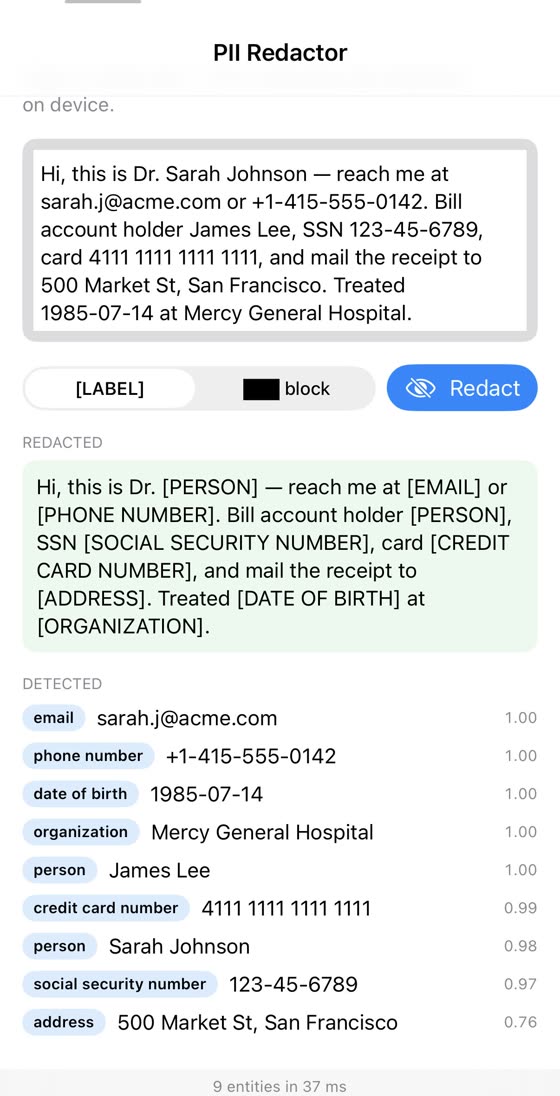
CoreAI.redact — GLiNER2 on iPhone
Chat, tools, and guided JSON
Streaming chat with history, live stats, and a stop button — ChatSession:
import CoreAIOps

let chat = try await ChatSession(model: .qwen3_0_6B)
for try await event in await chat.streamResponse(to: "What is the capital of Japan?") {
    if case .response(let delta) = event { print(delta, terminator: "") }
}
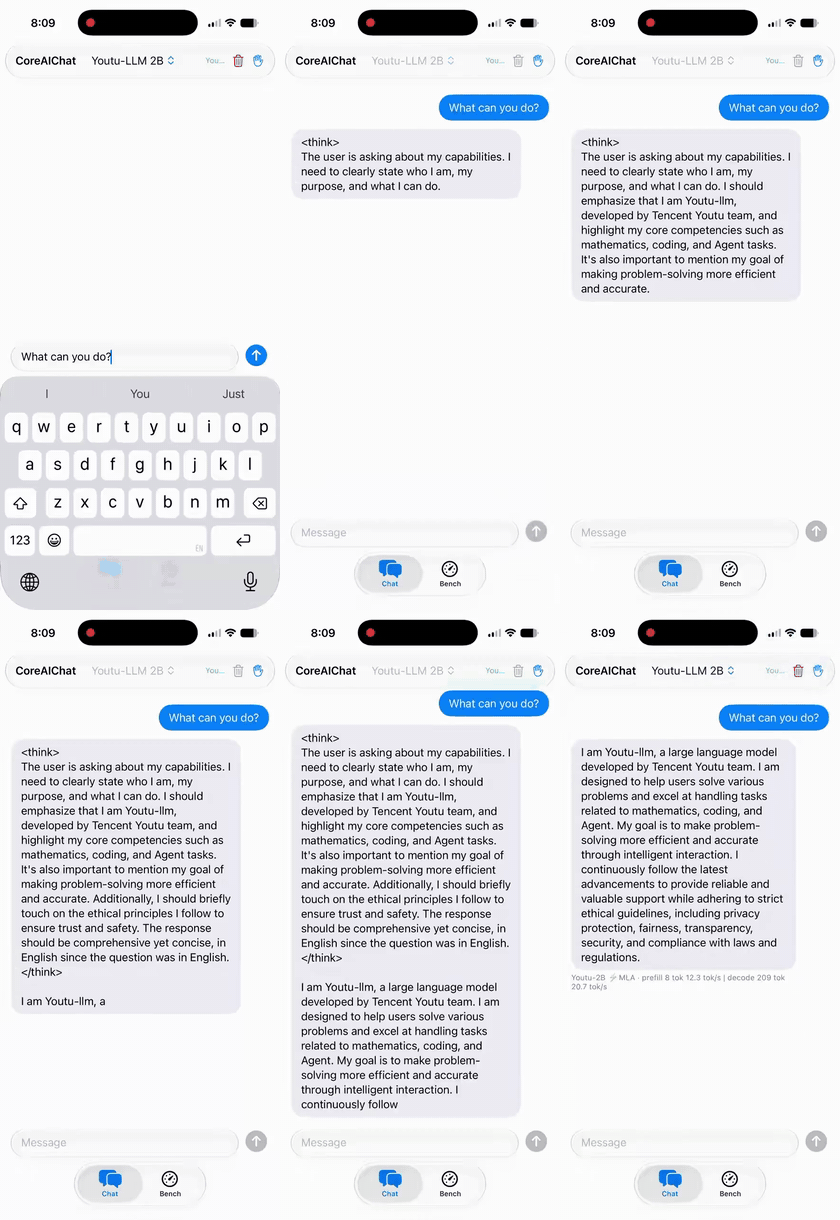
ChatSession — Youtu-LLM-2B on iPhone
Tool calling rides Apple’s FoundationModels API — your Tool implementations work
unchanged behind a local model:
let model = try await KitLanguageModel(model: .qwen3_0_6B)
let session = LanguageModelSession(model: model, tools: [WeatherTool()])
let answer = try await session.respond(to: "What's the weather in Sapporo?")
Schema-valid JSON by construction (constrained decoding; needs
engineVariant: .sequential, ~0.6B-class models):
let model = try await KitLanguageModel(model: .qwen3_0_6B, engineVariant: .sequential)
let session = LanguageModelSession(model: model)
let plan = try await session.respond(to: "Plan a day in Kyoto.", generating: TravelPlan.self)
See docs/GETTING_STARTED.md for the support matrix and Examples/FMToolDemo /
Examples/GuidedDemo for runnable versions. Examples/ChatDemo is the full chat app
(~150 lines, built from CoreAIKitUI components).
Understand images
import CoreAIOps

let text  = try await CoreAI.caption(imageAt: photoURL)              // or .detailed
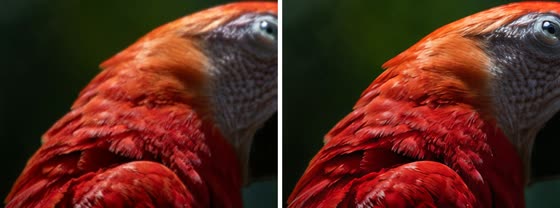
let boxes = try await CoreAI.detect(in: photo)                       // [Detection], no NMS
let depth = try await CoreAI.estimateDepth(in: photo).cgImage()      // grayscale render
let big   = try await CoreAI.upscale(photo)                          // ×4, deterministic
 |
 |
 |
|---|---|---|
CoreAI.detect — RF-DETR |
CoreAI.estimateDepth — DA3 |
CoreAI.upscale — AdcSR ×4 |
A conversation about an image (follow-up questions, one session) is the model-level VLM behind the same FoundationModels API — attach the image to the prompt:
let vlm = try await KitVisionModel(catalog: "qwen3-vl-2b")
let session = LanguageModelSession(model: vlm)
let answer = try await session.respond(to: Prompt {
    "How many people are in this photo, and what are they doing?"
    Attachment(cgImage)
})
Examples/VLChat is the full image-chat app; Examples/DetectCamera runs detection at
camera rate (hold a KitDetector there — the op is a one-shot convenience).
Read documents
let markdown = try await CoreAI.read(documentAt: scanURL) // GLM-OCR, ~4 s/page
Tables survive as markup. Swap the engine per call: options: .model("mineru2.5-pro")
(2-stage layout → Markdown) or "unlimited-ocr". Examples/ReadDoc compares them on
your own scans.
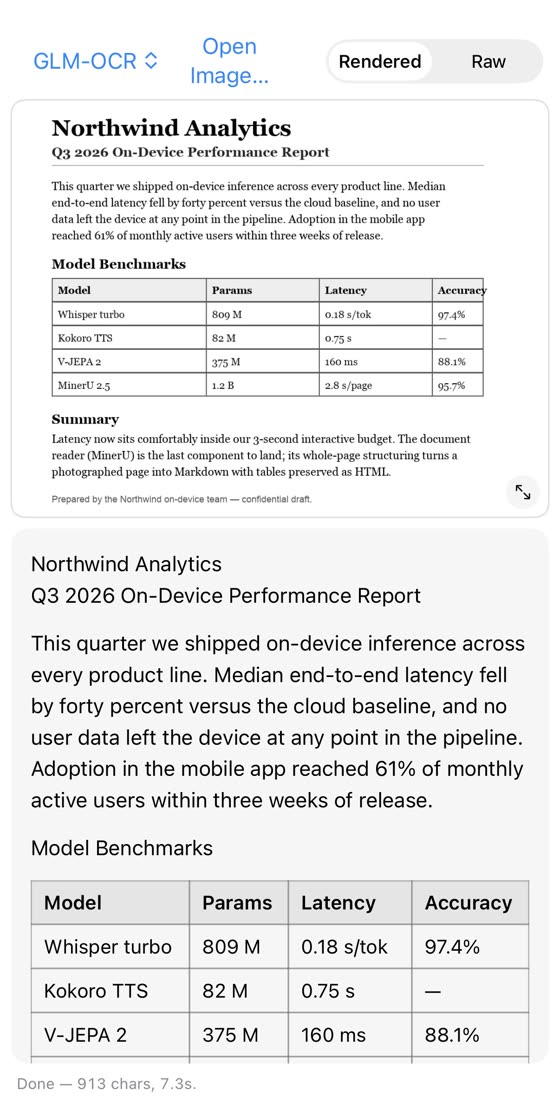
CoreAI.read — GLM-OCR, ~4 s/page on iPhone
Search and rank
Rank a handful of strings right now — one op:
let hits = try await CoreAI.search("refund policy", in: paragraphs, topK: 3)
A corpus you query repeatedly wants a persistent index — hold a TextEmbedder
(EmbeddingGemma, 768-d normalized) and store document vectors once:
import CoreAIOps

let embedder = try await TextEmbedder()
var docVecs: [[Float]] = []
for doc in docs { docVecs.append(try await embedder.embed(document: doc)) }  // store these
let q = try await embedder.embed(query: "refund policy")
let scores = docVecs.map { TextEmbedder.cosineSimilarity(q, $0) }  // rank by score
Photos by meaning (CLIP, one dot product per photo):
import CoreAIOps

let encoder = try await ImageTextEncoder()                      // CLIP ViT-B/32
let photoVec = try await encoder.encode(image: cgImage)         // store per photo
let query = try await encoder.encode(text: "red bike at the beach")
let score = ImageTextEncoder.cosineSimilarity(photoVec, query)
Document pages by meaning, no OCR (ColModernVBERT late interaction): see
Examples/DocSearch and VisualDocumentRetriever. Full RAG — retrieval as a tool the
model calls when it decides to — is Examples/DocChat (own index) and
Examples/SpotlightChat (Apple’s Spotlight as the index).
Hear and speak
import CoreAIOps

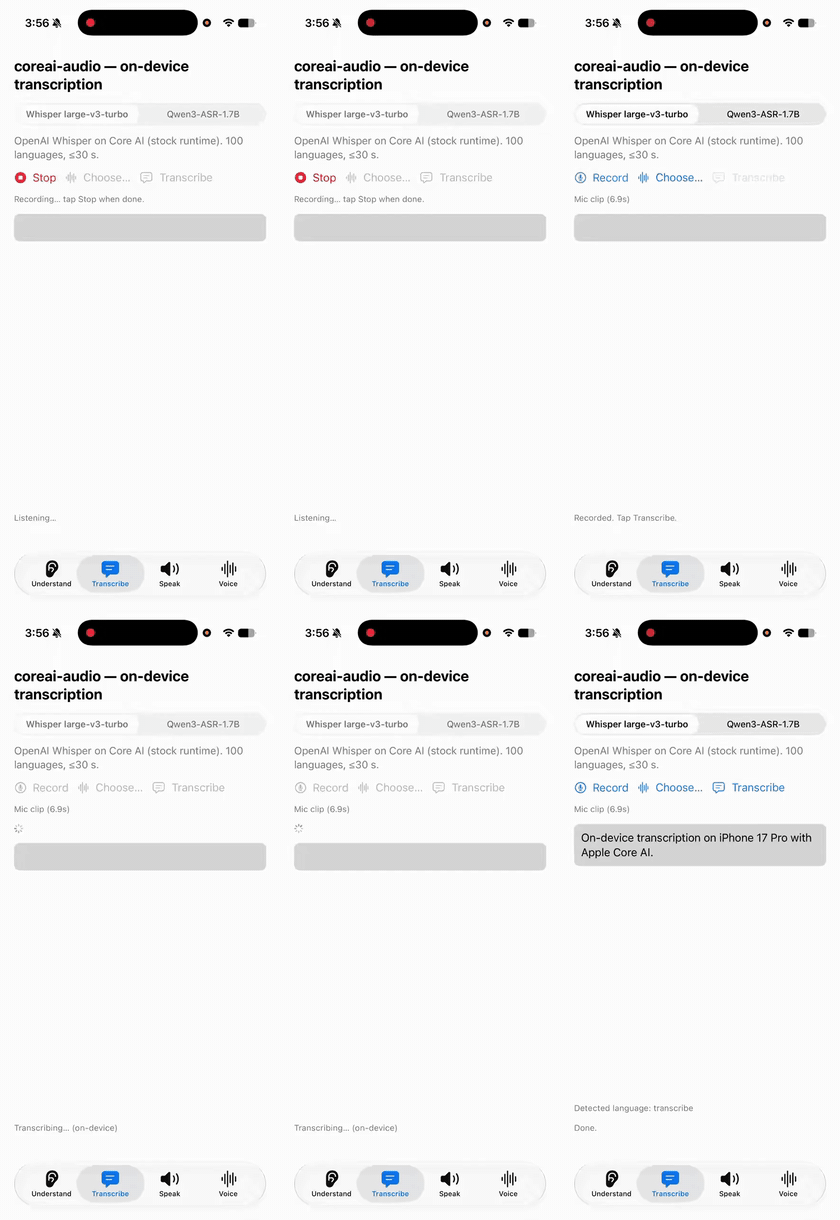
let text    = try await CoreAI.transcribe(memoURL)              // Whisper v3 turbo
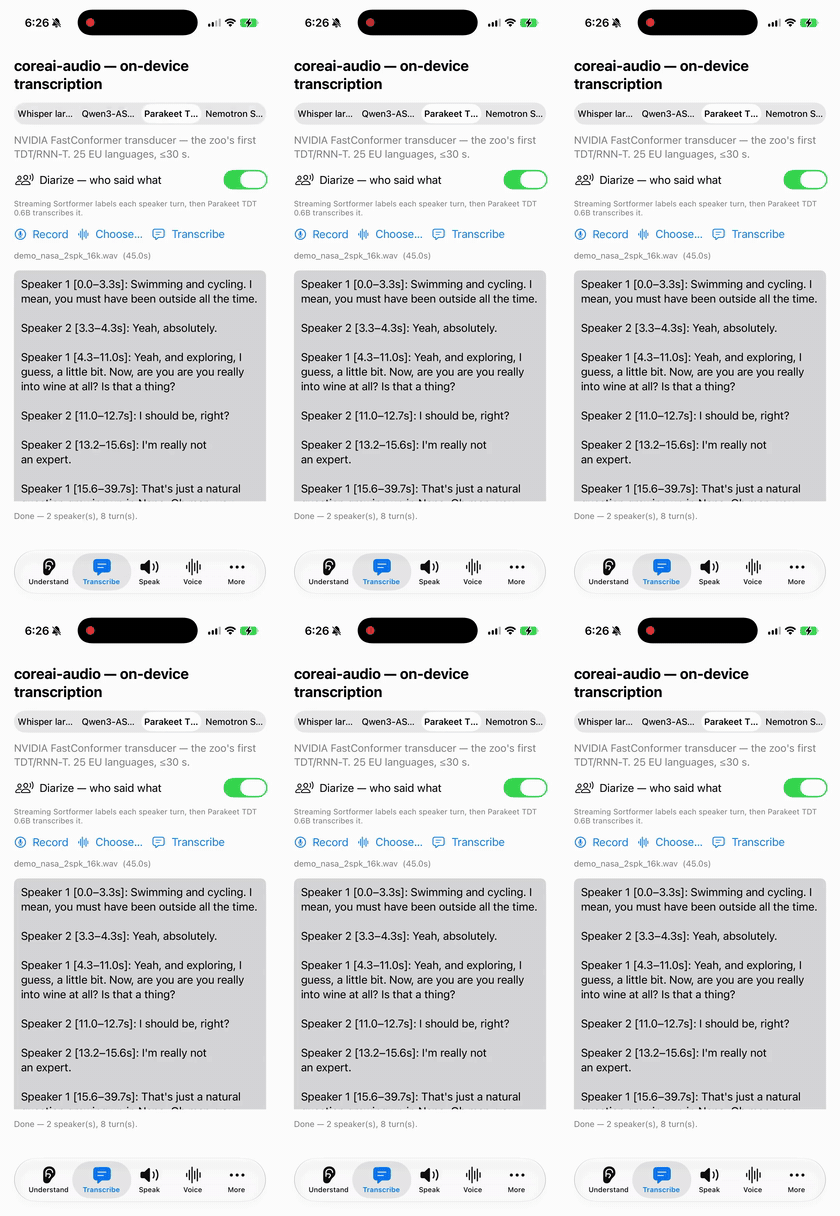
let meeting = try await CoreAI.transcribeMeeting(callURL)       // diarize + per-turn ASR
print(meeting.text)                                             // one line per speaker turn
let scene   = try await CoreAI.describeAudio(clipURL)           // sounds, music, setting
let voice   = try await CoreAI.speak("The build is green.")     // PCM + sample rate
let loop    = try await CoreAI.compose("warm lo-fi loop, vinyl crackle, 90 BPM")
let stems   = try await CoreAI.separate(songURL)                // vocals / instrumental
transcribe and transcribeMeeting take options: .model("parakeet-tdt-0.6b-v3") for
faster English-family ASR, or "qwen3-asr-1.7b" / "nemotron-3.5-asr-streaming-0.6b".
Playback / WAV writing from PCM: see Examples/OpsDemo (25-line WAV writer) and
Examples/Speak (streaming synthesis into AVAudioEngine).
 |
 |
|---|---|
CoreAI.transcribe — Whisper v3 turbo |
CoreAI.transcribeMeeting — Sortformer + ASR |
Video and live camera
let actions = try await CoreAI.recognizeAction(videoAt: clipURL)   // V-JEPA 2
print(actions.first?.label ?? "")   // "pouring something into something"
Live pipelines are a for-await loop over CameraFeed — hold the model-level driver so
nothing reloads per frame:
import CoreAIOps

let detector = try await KitDetector(catalog: "rf-detr")
for await frame in try await CameraFeed(framesPerSecond: 30).start() {
    let boxes = try await detector.detect(in: frame)
}
Examples/DetectCamera (33–39 FPS end-to-end), DepthCamera, and ActionCamera are
the full apps.
Forecast numbers
let f = try await CoreAI.forecast(dailySales)     // TimesFM 2.5 — ~25 ms warm
let nextWeek = f.mean.prefix(7)                   // f.quantiles for uncertainty bands
128 steps ahead from any univariate series; Examples/Forecast charts it.
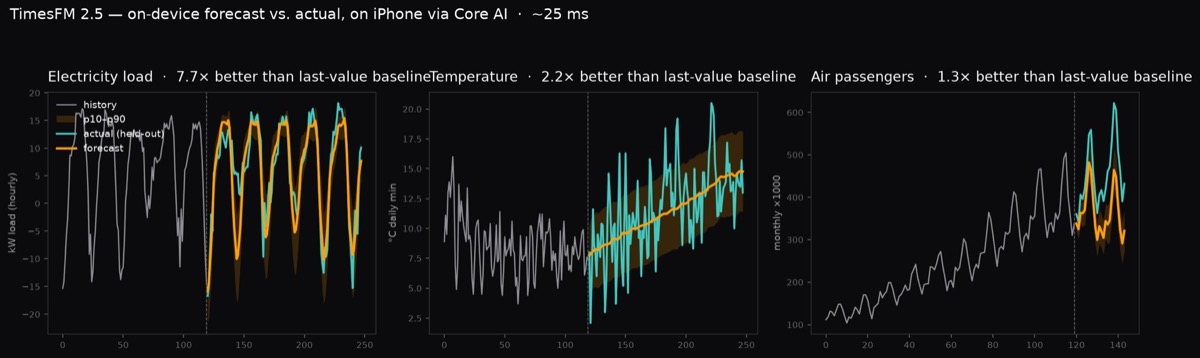
CoreAI.forecast — TimesFM 2.5 on iPhone
Plug into the system
- Siri — “ask my local model from Siri”, with onscreen awareness and risk-based
confirmation:
Examples/SiriAsk(App Intents, ≥4B model). - Visual Intelligence — your own VLM as an “ask” tab (
Examples/AskVLM), or your CLIP / RF-DETR behind the system’s visual search (Examples/VisualIntel). - Spotlight RAG — Apple’s
SpotlightSearchToolbehind your own model:Examples/SpotlightChat/Examples/SpotlightApp.
Escape hatches
Any stateless .aimodel you exported runs through the generic graph runner:
import CoreAIOps

let model = try await GraphModel(contentsOf: aimodelURL, computeUnits: .neuralEngine)
let out = try await model.run(["pixel_values": .float32(pixels, shape: [1, 3, 224, 224])])
- A chat bundle on disk:
ChatSession(bundleAt: url). - Any Hugging Face repo with the right layout:
ModelID("org/name", path: "macos"). - Manage the cache:
ModelStore.default.downloadedModels()/.delete(_:). - The live model list (ids for every
options: .model(...)):await ModelCatalog.load(), then.available(.chat)— or any other kind.